

· AFX Research
When a Spouse Dies During the Divorce, and the Property Record
A death before the decree usually ends the divorce and hands the house to estate law. How the deed decides the outcome, and what to search once it happens.
Table of Contents
It is not common and it is not rare either. A divorce is pending, the property questions are half settled, and one spouse dies before a final decree is entered. Almost everything the parties assumed about where the house was going changes at that moment, and it changes in a direction that depends entirely on how the deed was written. This is a different situation from a deceased ex-spouse still on the deed, where the divorce was already final.
A death while the case is open
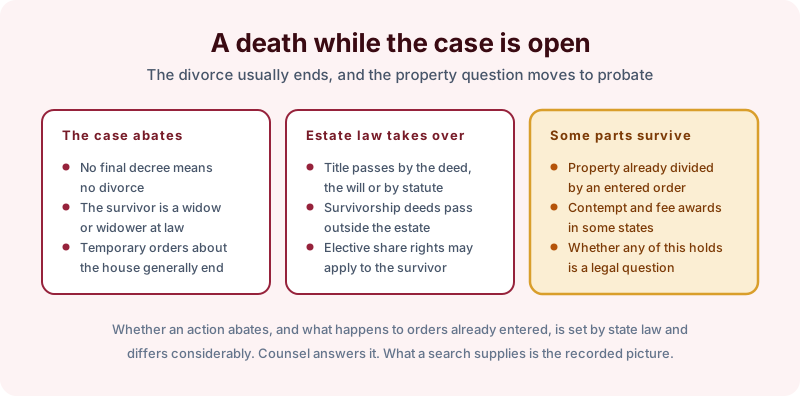
In most states a divorce action abates on the death of a party. There is no final decree, so there was no divorce, and the survivor is legally a widow or widower rather than an ex-spouse. Temporary orders about who lives in the house and who pays the mortgage generally end with the case.
Estate law takes over from there. Title passes according to the deed, the will, or the intestacy statute, in that order of priority. A survivor who was about to be divorced may inherit, and may also have elective share rights that a decree would have cut off.
Not every part of the case necessarily disappears. Property already divided by an entered order, and in some states contempt findings or fee awards, can survive. Whether any of that holds is a legal question that varies considerably by state, and it belongs to the attorney handling the estate rather than to anybody reading the land record.
The deed decides most of it
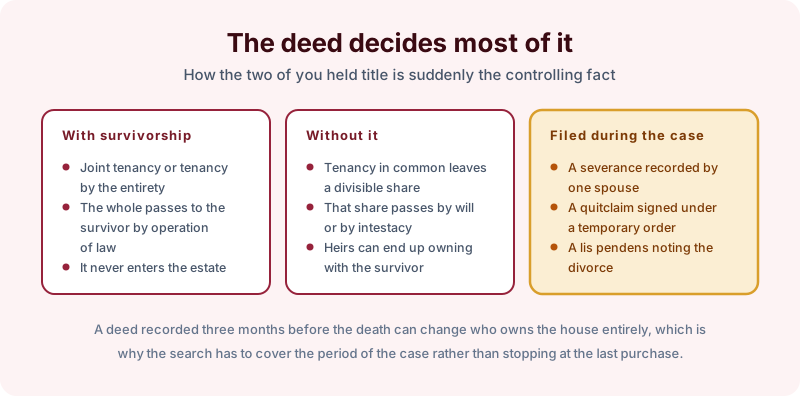
This is where the land record becomes decisive rather than informative. If the house was held in joint tenancy with right of survivorship, or in tenancy by the entirety, the whole of it passes to the survivor by operation of law. It never enters the estate, the will does not touch it, and the heirs of the deceased spouse take nothing.
If the two of you held as tenants in common, there is a divisible share, and that share passes by will or by intestacy. The survivor can end up owning the house jointly with children from an earlier marriage, or with a sibling of the deceased, which is the practical problem in joint tenancy versus tenancy in common.
And things recorded during the case can flip the answer. A unilateral severance filed by one spouse converts a survivorship tenancy into a tenancy in common in many states. A quitclaim signed under a temporary order transfers what it transfers. A lis pendens noting the divorce may be sitting in the index. A deed recorded three months before the death can change who owns the house entirely, which is why the search has to cover the period of the case rather than stopping at the last purchase.
What to search, and where
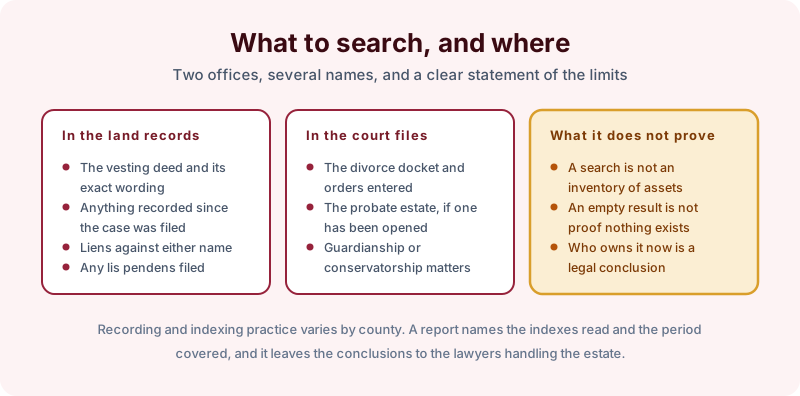
In the land records, the vesting deed and its exact wording, because the phrase that creates survivorship is sometimes a single line and sometimes absent where everyone assumed it was there. Everything recorded since the case was filed. Liens and judgments indexed against either name, on the same footing as any other lien search against marital property. Any lis pendens, which is worth checking even where the parties do not remember filing one.
In the court files, which are a separate office, the divorce docket and whatever orders were actually entered, the probate estate if one has been opened, and any guardianship or conservatorship matter that preceded the death.
What none of it proves is worth saying plainly. A records search is not an inventory of the deceased spouse’s assets, an empty result does not establish that nothing exists, and who owns the property now is a legal conclusion drawn from the documents rather than something the search itself decides. Recording and indexing practice varies by county, so a report should name the indexes read and the period covered.
The takeaway
Pull the deed first and read the vesting language before assuming anything, because on these facts the form of the tenancy usually decides the outcome. Then search the whole period of the divorce rather than the purchase, since a severance or a quitclaim filed during the case is exactly the document that changes the answer. Legal conclusions belong to the estate attorney. Start the order online, or send us the names and addresses and we will tell you what a search of that scope would and would not cover before anything is ordered.