

· AFX Research
HOA Liens and Assessments: What a Divorce Title Search Shows
Unpaid dues become a claim on the unit, and the association looks to recorded title rather than to the decree. What the county record shows, and what only the association has.
Table of Contents
A condominium or a house in a planned community brings a creditor into the property division that nobody invited and nobody can negotiate with. Assessments accrue monthly whether the unit is occupied, empty, or the subject of an argument, and in most states an unpaid balance becomes a claim against the unit itself. The record half of that picture is straightforward to obtain and it is only the record half, which is a distinction worth understanding before a settlement gets priced. The general inventory question is covered in our note on liens against marital property.
Two kinds of association debt
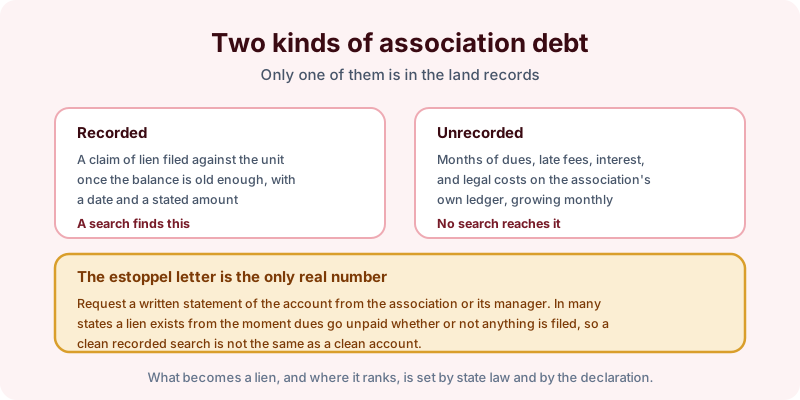
A recorded claim of lien shows up in a search of the parcel, dated and copied, once the association has taken that step. That is useful and it is usually the tail end of the story rather than the start of it.
An unrecorded balance is the more common state of affairs: several months of dues, late fees, interest, and attorney costs sitting on the association’s ledger with nothing filed. In many states a lien exists from the moment dues go unpaid, whether or not any document was recorded, which means a clean recorded search is not the same thing as a clean account.
The only source of a real number is a written statement from the association or its manager. Ask for it in parallel with the search rather than afterward, because the figure is often larger than either spouse expects once fees and costs are added.
Who the association can look to
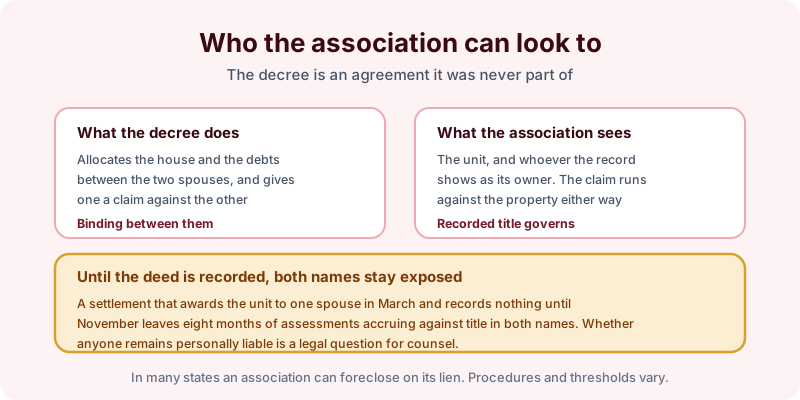
A decree allocates the house and the debts between two spouses and gives one a claim against the other if the terms are not honored. The association was not a party to it. It looks at the unit, and at whoever the record shows as owning it.
The practical consequence is a timing gap. A settlement that awards the unit to one spouse in March and records nothing until November leaves eight months of assessments accruing against title held in both names. Whether either spouse remains personally liable, and for what, is a legal question for counsel that turns on state law and on the declaration. What is not in doubt is that the claim runs against the property. In many states an association can foreclose on its lien, and the thresholds and procedures for that vary considerably.
The number nobody has yet
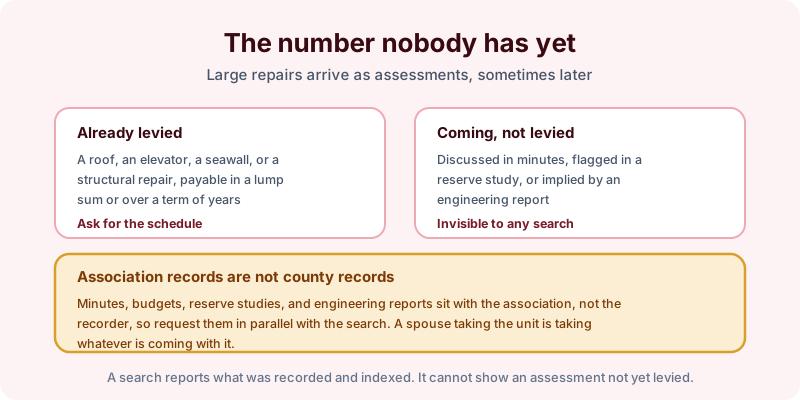
Special assessments are where the real money is. A roof, an elevator, a seawall, or a structural repair arrives as a levy against every unit, payable in a lump sum or over years. One already levied should be identified and scheduled. One that has been discussed in minutes, flagged in a reserve study, or implied by an engineering report is invisible to any records search and can still land on whoever holds the unit next year.
Those documents belong to the association rather than the recorder, so request them alongside the search. A spouse taking the unit is taking whatever is coming with it, and a settlement that treats the unit as a clean asset can be materially wrong.
What the search will and will not settle
The search reports what was recorded and indexed for the parcel and names given, as of its date, with copies: recorded claims of lien, the declaration and its amendments, mortgages, judgments, and tax status. It also shows releases, which distinguishes a resolved balance from a live one, the same way it does in our note on tax liens on marital property.
It cannot give you the account balance, tell you whether a payment plan was accepted, or show an assessment that has not been levied. Recording and indexing practice varies by county, and a recent filing may not be indexed when the search runs, so an empty result reflects the record rather than proving nothing is owed.
The takeaway
Order the record search for what is attached to the unit, and request an estoppel letter plus the association’s minutes and reserve study at the same time. Then price the settlement on both. Our products page lists the search terms available. Start the order online, or send us the names and addresses and we will tell you what a search of that scope would and would not cover before anything is ordered.