

· AFX Research
A Marital Home Already Under Contract When the Divorce Starts
A signed contract, a buyer with a deposit and a closing date, and now a case has been filed. Who can stop the sale, what the record shows, and when to search.
The sequence is more common than it sounds. A couple lists the house, accepts an offer, and then the marriage comes apart before closing. There is now a third party with earnest money, a loan application and a moving date who has no idea any of this is happening, and the obligation to them did not disappear when the petition was filed. This is a faster moving version of selling the marital home, with somebody else’s deadline attached.
A sale already in motion
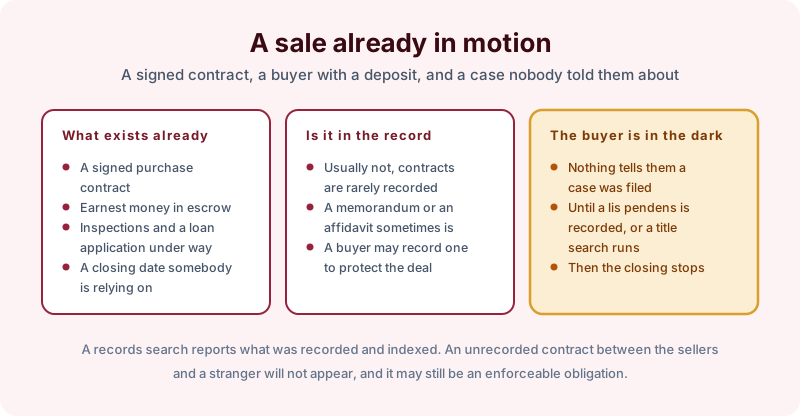
What already exists is a signed purchase contract, earnest money sitting in escrow, inspections and an appraisal under way, and a closing date that several people are relying on.
Whether any of it is visible in the land record is a separate question, and usually the answer is no. Purchase contracts are rarely recorded. A memorandum of contract or an affidavit of equitable interest is sometimes filed, most often by a buyer who wants the deal protected, but that is the exception rather than the rule.
So the buyer is generally in the dark. Nothing tells them a case has been filed until a lis pendens is recorded or their own title search turns one up, and at that point the closing stops. A records search reports what was recorded and indexed, and an unrecorded contract between the sellers and a stranger will not appear while remaining a perfectly enforceable obligation.
Who can actually stop it
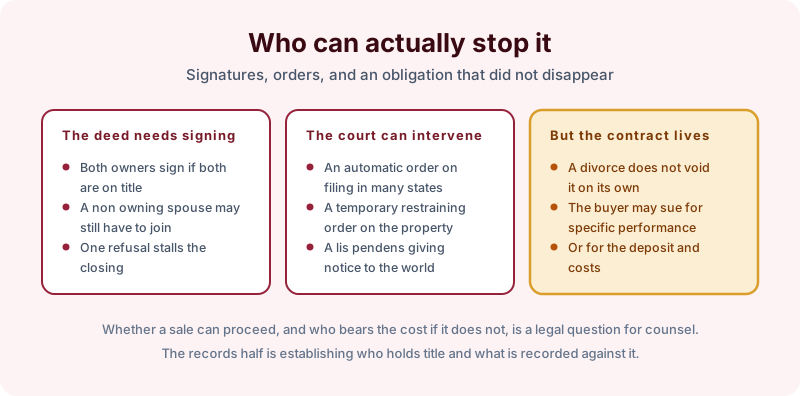
Three things can halt a closing and they work differently.
Signatures. The deed needs signing by whoever holds title, and in states with homestead or spousal joinder requirements a non-owning spouse may have to join as well. One party declining to sign stalls the transaction without anybody going to court.
Court orders. Many states impose automatic temporary orders on filing, restraining either party from transferring marital property. A specific restraining order can do the same. And a lis pendens gives notice to the world, which reaches the buyer’s title search directly.
But the contract survives all of that. A divorce filing does not void an agreement with a third party on its own, and a buyer who has performed may sue for specific performance or for the deposit and costs. Whether a sale can proceed, and who bears the loss if it cannot, are legal questions for counsel. The records half is establishing who holds title and what is recorded against it.
What to run, and when
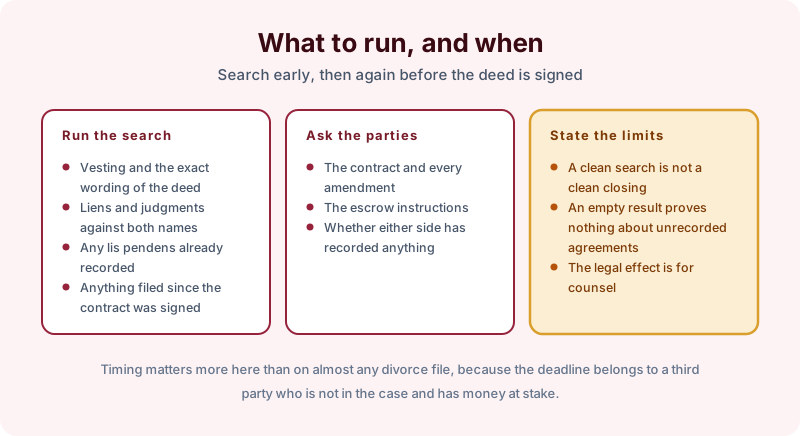
Search early and then again immediately before the deed is signed, because on this file the deadline belongs to somebody who is not in the case.
Run the vesting and the exact wording of the deed, liens and judgments against both names, any lis pendens already recorded, and anything filed since the contract was signed. That last window is where the surprises are, and it is the same exposure as judgment liens recorded after the decree, arriving earlier.
Ask the parties for the contract and every amendment, the escrow instructions, and whether either side has recorded anything at all, because a memorandum filed quietly by one spouse changes the picture.
And state the limits. A clean search is not a clean closing, an empty result proves nothing about unrecorded agreements, and recording practice varies by county.
Where the sale does go ahead, one more step is worth taking. Proceeds from a sale during a pending case are usually held rather than distributed, and the escrow instructions should say so in terms both parties have seen. A disagreement about that discovered on the day of closing is how a workable sale turns into a failed one.
The takeaway
Establish quickly whether a pending contract exists, because it turns a divorce property question into a three party problem with a clock on it. Get the recorded picture at once, get the contract from the parties, and let counsel advise on whether the sale proceeds. The worst outcome is a closing that collapses on the day, which costs everybody more than the disagreement was worth. Start the order online, or send us the names and addresses and we will tell you what a search of that scope would and would not cover before anything is ordered.