

· AFX Research
A Right of First Refusal Between Former Spouses on the Home
A settlement gives one spouse the first chance to buy the house. Whether it reaches the land record decides whether it survives a sale to somebody else.
Table of Contents
Settlements use these often. One spouse keeps the house, the other gets the first chance to buy it if it ever goes on the market, and everybody signs feeling the arrangement is fair. Five years later the house sells to a stranger and the holder of that right finds out from a neighbor. What went wrong is almost never the drafting of the promise. It is where the promise ended up, which is the same distinction that governs unrecorded deeds and side agreements.
What the right actually gives
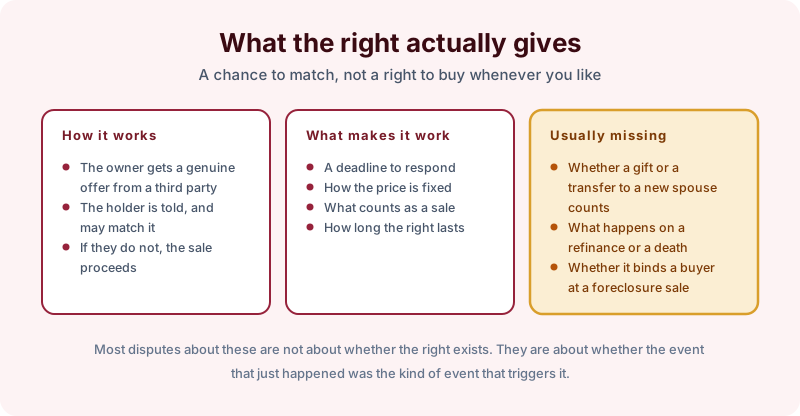
A right of first refusal is not an option to buy. It does not let the holder decide one morning to purchase the house at a number they like. It gives them a chance to match, and it only activates when the owner has a genuine offer from somebody else in hand.
What makes one workable is a short list of mechanics. A deadline for the holder to respond, which without a number becomes an argument. How the price is fixed, usually by matching the third-party offer. What counts as a sale. And how long the right lasts, because a right with no end date is a cloud on the title indefinitely.
The terms most often missing are the ones that matter in practice. Whether a gift, or a transfer to a new spouse, or a conveyance into a trust counts as a triggering sale. What happens on a refinance, which is not a sale but changes everything about the equity. What happens if the owner dies. And whether the right binds a buyer at a foreclosure sale, which is the situation nobody drafts for and several people end up in. Most disputes about these rights are not about whether the right exists. They are about whether the event that just happened was the kind of event that triggers it.
Recorded, or only in the decree
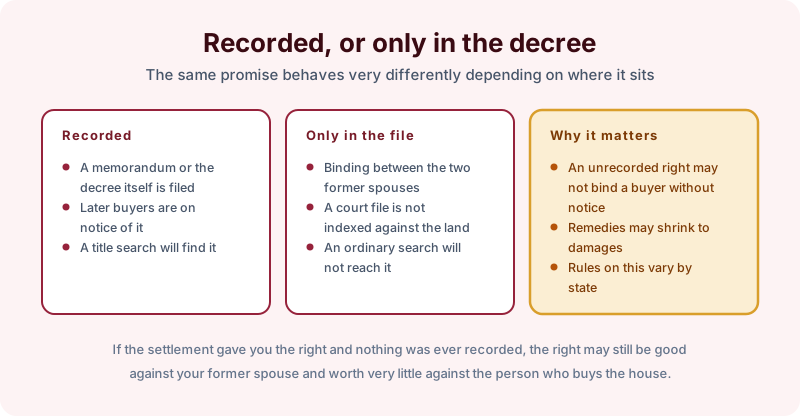
Here is the part that decides whether the right is worth anything against a third party.
If a memorandum of the right, or the decree itself, was recorded in the county where the land sits, later buyers and lenders are on notice of it and a title search will find it. It behaves like any other recorded encumbrance.
If it lives only in the divorce file, it is binding between the two former spouses and largely invisible to everybody else. A court file is indexed by party name in a different office and is not indexed against the parcel, so an ordinary search will not reach it. That is the same structural gap that makes a lis pendens worth filing during a case.
The consequence depends on state law, and the general shape is that an unrecorded right may not bind a purchaser who bought without notice of it. The holder is not left with nothing, but their remedy can shrink from stopping the sale to suing their former spouse for damages, which is a much worse position and frequently an uncollectible one.
Before anybody signs
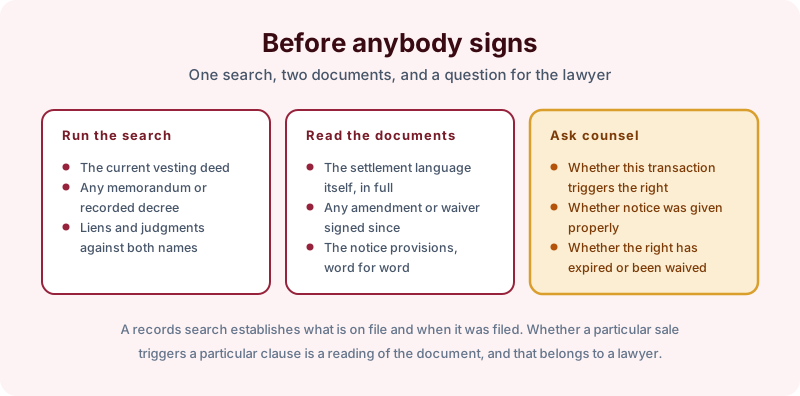
Whichever side you are on, three steps.
Run the search. The current vesting deed, any memorandum or recorded decree, and liens and judgments indexed against both names, because a right of first refusal is usually not the only thing that survived the settlement, and a judgment recorded after the decree can matter just as much.
Read the documents in full rather than from a summary. The settlement language itself, any amendment or written waiver signed since, and the notice provisions word for word, since most failures are notice failures rather than substantive ones.
Then ask counsel the three questions that actually decide it. Whether this particular transaction triggers the right, whether notice was given properly, and whether the right has expired or been waived. A records search establishes what is on file and when. Reading a clause against a set of facts is a lawyer’s job.
The takeaway
If you negotiated one of these, record something. A short memorandum naming the parties, the parcel and the existence of the right costs very little and is the difference between a right that follows the land and a promise that follows a person. If you are buying or lending on a house that came out of a divorce, ask specifically whether a right of first refusal exists, because the one that was never recorded is exactly the one nobody will mention. Start the order online, or send us the names and addresses and we will tell you what a search of that scope would and would not cover before anything is ordered.