

· AFX Research
Reverse Mortgage on the Marital Home: What a Divorce Search Shows
A reverse mortgage is a recorded lien with rules of its own, and a separation can bring it due. What the record shows about the loan, the borrowers, and the equity left.
Table of Contents
Later-life divorces bring an encumbrance that most property settlements are not built for. A reverse mortgage does not amortize, it has no monthly payment to divide, and it carries an occupancy condition that a separation can breach without anyone intending to. The record work is straightforward, but reading the result requires knowing what these instruments look like, because the first surprise is usually that there are two of them rather than one. The broader inventory question is covered in our note on liens against marital property.
Usually two instruments, not one
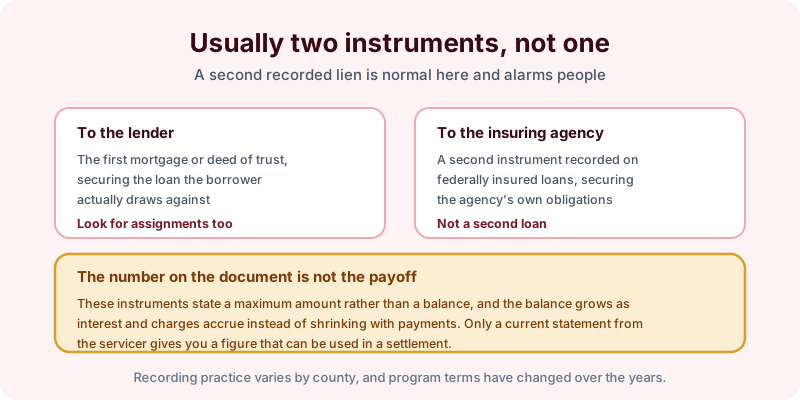
On a federally insured reverse mortgage it is routine for two security instruments to be recorded against the property: one running to the lender, and a second running to the insuring agency to secure its own obligations. The second one regularly gets misread as a hidden second loan, and it is not.
The figure stated in those documents is a maximum rather than a balance. Interest and charges accrue and the amount owed grows over time instead of shrinking, so a recorded number tells you almost nothing about today’s equity. Look for assignments as well, because servicing on these loans changes hands often and the entity that must produce a payoff may not be the one named on the original instrument.
Occupancy is the hinge
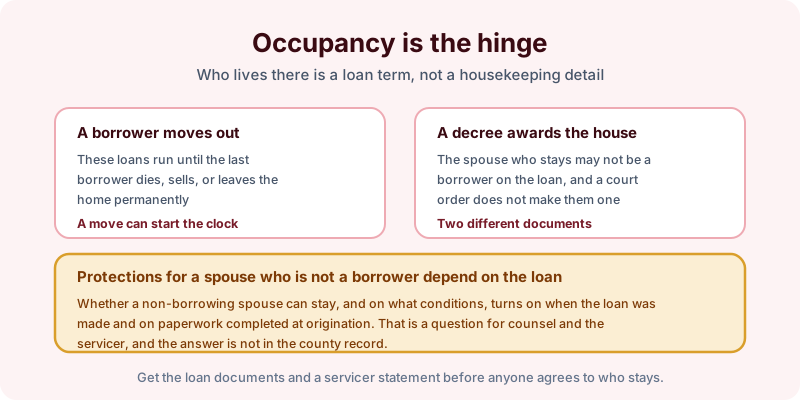
These loans run until the last surviving borrower dies, sells, or permanently leaves the home. In a divorce that condition stops being background and becomes a term somebody may be about to trip.
Two situations recur. In the first, both spouses are borrowers and one moves out. In the second, only one spouse was ever a borrower, and the decree awards the house to the other. A court order can require a spouse to convey an interest, and it does not add anyone to a loan. Whether a spouse who is not a borrower can remain in the home, and on what conditions, depends on when the loan was made and on documentation completed at origination. That is a question for counsel and the servicer, and the answer is not in the county record. The same separation of documents shows up in our note on one spouse on the deed and both on the mortgage.
Three exits, one prerequisite
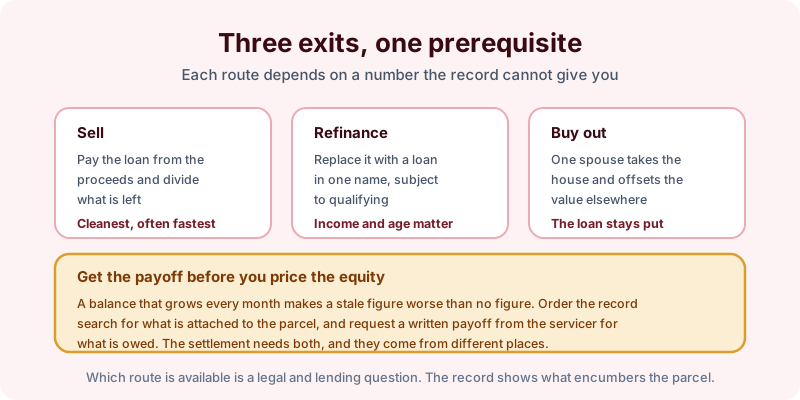
Selling and paying the loan from proceeds is the cleanest route. Refinancing into a conventional loan in one name is possible where that spouse qualifies, and it is the path our note on refinancing the marital home walks through. A buyout leaves the loan in place and offsets value elsewhere, which works only if everyone understands the balance keeps climbing.
All three need the same input: a current written payoff. A balance that grows monthly makes a stale figure actively misleading, and equity computed from an appraisal minus a recorded maximum is not a number anyone should sign against.
What the search will and will not settle
The search reports what was recorded and indexed for the parcels and names given, as of its date, with copies: both security instruments, any assignments, junior liens, judgments, and the tax status. It will also show a satisfaction or release if the loan has already been paid.
It cannot give you the balance, the accrued interest, the available line of credit, or the servicer’s view of occupancy, because none of that is recorded anywhere. Nor can it establish who is a borrower as opposed to who is on the deed, since the note is not a recorded document. Recording practice varies by county, and program terms have changed repeatedly over the years, so an old loan and a recent one can behave differently on facts that look identical.
The takeaway
Order the record search for what encumbers the parcel, and request the loan documents and a written payoff from the servicer in parallel. Then let counsel decide what the occupancy terms mean for the spouse who wants to stay. Our products page lists the search terms available. Start the order online, or send us the names and addresses and we will tell you what a search of that scope would and would not cover before anything is ordered.