

· AFX Research
Splitting Acreage in a Divorce: Access and Easement Traps
A decree that divides a parcel can leave one half with no legal way in. What the record shows about access, and what has to be created before the deeds are signed.
Table of Contents
Dividing land looks like the fairest way to settle a property dispute. Each side takes a piece, nobody has to sell, and the acreage does the work a cash payment would otherwise do. The problem is that a parcel is not a pie. Access, utilities, a well, and a septic field all sit somewhere specific, and drawing a line across a survey can leave one half of the settlement functionally unusable while looking perfectly balanced on paper. The distinction that governs is the one in our note on the divorce decree versus the deed: the order allocates, and the deed is what actually operates on the land.
Dividing is not the same as connecting
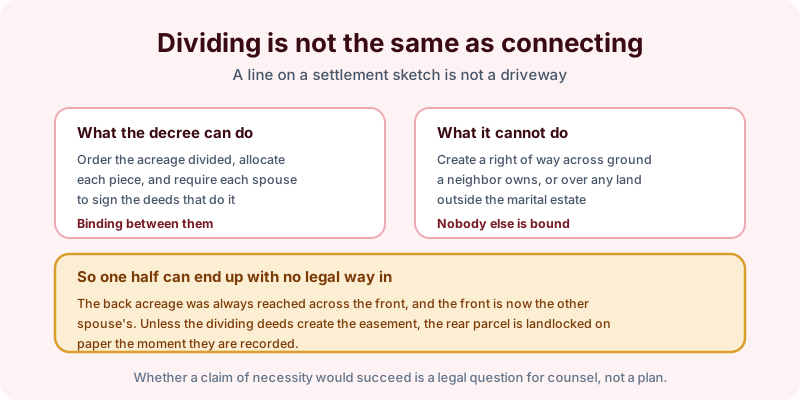
A decree can order the acreage divided, allocate each piece, and require both spouses to sign the deeds that accomplish it. What it cannot do is create a right of way across ground a neighbor owns, or over any land outside the marital estate, because nobody else was a party to the case.
That produces the classic failure. The back acreage was always reached by driving across the front, and the front is now the other spouse’s parcel. Unless the dividing deeds create the easement expressly, the rear parcel is landlocked the moment they are recorded. Whether a claim of necessity would succeed later is a legal question for counsel, and it is not a plan.
What the dividing deeds must say
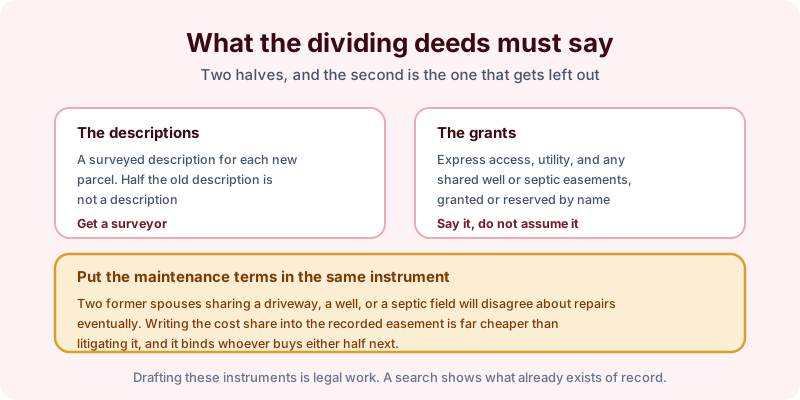
Two halves, and the second is the one that gets left out.
The descriptions. Each new parcel needs a surveyed description. Half of the old description is not a description, and a settlement that conveys “the north 20 acres” without metes and bounds creates a defect somebody pays a lawyer to fix later.
The grants. Access, utility, and any shared well or septic easements have to be granted or reserved by name, with a described location. Do not assume that long use carries over, because the parties are now separate owners of separate parcels.
Put the maintenance terms in the same instrument. Two former spouses sharing a driveway or a well will disagree about repairs eventually, and writing the cost share into the recorded easement is cheaper than litigating it. It also binds whoever buys either half next, which is the point.
The approval nobody asked about
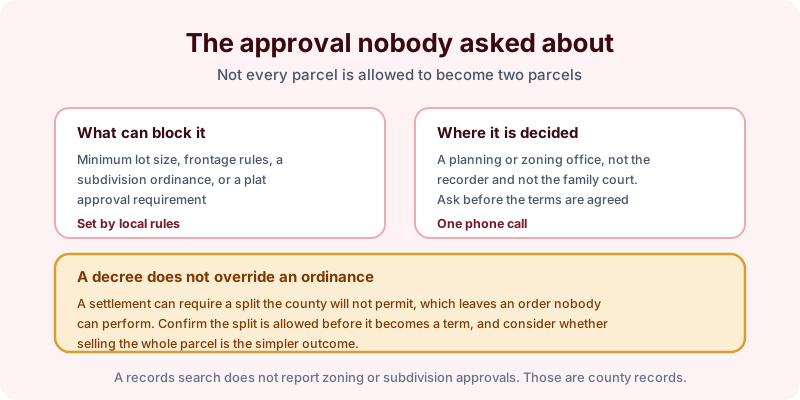
Not every parcel is allowed to become two parcels. Minimum lot size, road frontage requirements, and subdivision ordinances can block a split or require a plat and an approval first, and those rules live with a planning office rather than with the recorder or the court.
A decree does not override an ordinance, so a settlement can require a division the county will not permit, leaving an order nobody can perform. One phone call before the terms are agreed avoids it, and sometimes the answer is that selling the whole parcel and dividing the proceeds is simpler, which is the record work in our note on selling the marital home.
What the search will and will not settle
The search reports what was recorded and indexed for the parcel and names given, as of its date, with copies: the vesting deed and its description, existing access and utility easements, restrictions, mortgages, liens, and any prior plat. That tells you what access already exists before anybody designs a split, and on rural ground it frequently reveals easements neither spouse knew about, as our note on farm and ranch land describes.
It is not a survey, so it cannot locate a boundary or an easement on the ground, and it does not report zoning or subdivision approvals. Recording practice varies by county.
The takeaway
Before a settlement divides land, search the parcel to see what access exists, ask the county whether the split is permitted, and make sure the deeds grant every easement each new parcel needs. Our products page lists the search terms available. Start the order online, or send us the names and addresses and we will tell you what a search of that scope would and would not cover before anything is ordered.