

· AFX Research
Unmarried Couples Splitting Property: What the Record Shows
Without a marital property statute, the deed and the recorded documents carry most of the weight. What to check when unmarried co-owners separate.
Table of Contents
Two people buy a house together, live in it for nine years, and separate. They were never married, so there is no divorce, no marital estate, and no statute directing a court to divide anything equitably. What there is instead is a deed, a mortgage, and whatever else made it into the county record. That makes the recorded documents unusually decisive, and it makes a records search an early step rather than a late one. The mechanics resemble the marital versus separate property question with the statutory scaffolding removed.
No marital framework to fall back on
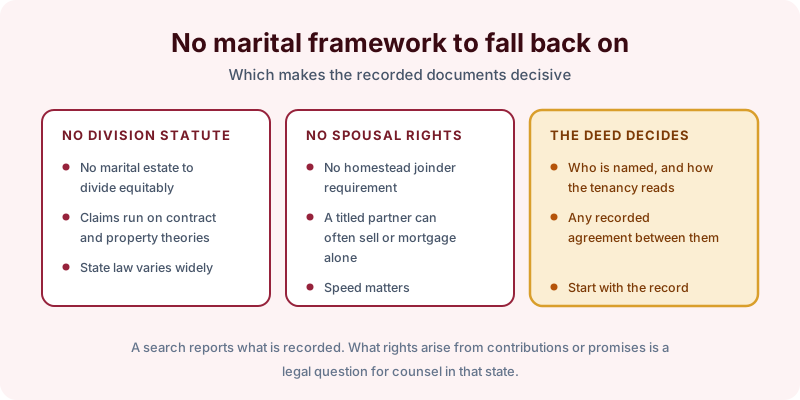
There is no division statute. Claims between unmarried co-owners generally run on contract and property theories rather than on equitable distribution, and what those theories support varies substantially from state to state. A few states recognize additional doctrines; most do not.
There are no spousal protections either. Homestead joinder requirements and the rules that void a one-signature conveyance of the marital home generally do not apply, which means a partner who holds title alone may be able to sell or mortgage without the other’s signature. That asymmetry is why timing matters here more than in a divorce.
So the deed does the work. Who is named on it, how the tenancy reads, and whether the parties recorded any agreement between themselves are the facts everything else is argued from. Whether contributions or promises create rights beyond that is a legal question for counsel in that state, and not something an abstractor decides.
Read the vesting language
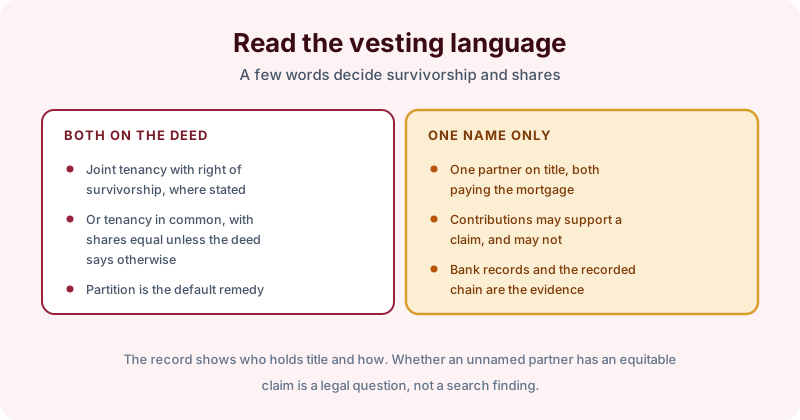
Where both names are on the deed, the wording usually decides two things: whether there is a right of survivorship, and what the shares are. Joint tenancy with right of survivorship, where the deed says so, means the survivor takes on death. Tenancy in common means shares pass by will or by intestacy instead, and shares are typically presumed equal unless the deed states otherwise. Either way, partition is the ordinary remedy when co-owners cannot agree, and a partition proceeding is a real possibility rather than a threat.
The harder case is one name on the deed and two people paying. The record establishes who holds title, and it says nothing about who made the payments. Bank records, the mortgage history, and the recorded chain are the evidence a claim would be built from, which is the same tracing exercise described in our note on tracing a down payment. Whether that evidence supports a claim is for a lawyer.
One item belongs on every checklist here. If the deed was a survivorship deed and the relationship has ended, that designation is still in force until something else is recorded, and the same is true of any transfer on death deed naming the former partner.
Scoping the search
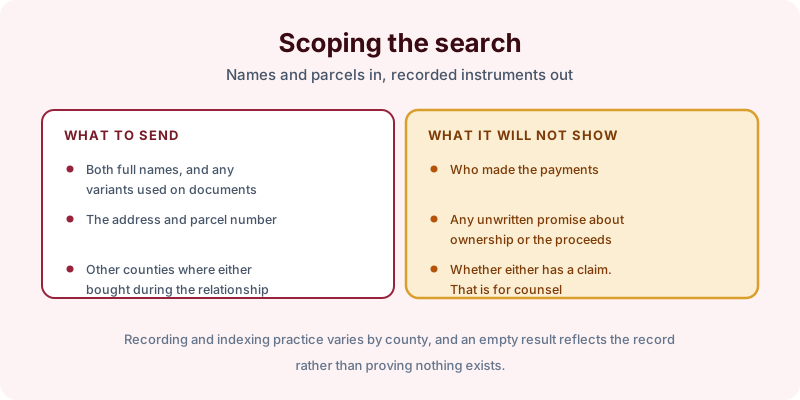
Send both full names with any variants used on documents, the address and parcel number, and the other counties where either person bought property during the relationship, since joint purchases of rental or vacation property are common and easy to overlook. Our process page explains what a search covers.
What comes back is the deeds, mortgages, liens, and judgments found of record for that parcel and those names over the term searched, with copies attached. What does not come back is who made the payments, what either person promised the other, or whether anyone has a claim. Recording and indexing practice varies by county, an empty result reflects the record rather than proving nothing exists, and legal conclusions belong to counsel.
The takeaway
Start with the deed and the recorded chain, because in an unmarried separation those documents carry weight that a statute would otherwise carry. Get them early, while a titled partner still has the practical ability to act alone. Start the order online, or send us the names and addresses and we will tell you what a search of that scope would and would not cover before anything is ordered.