

· AFX Research
Rental and Investment Property in a Divorce Title Search
Where a rental portfolio hides, why entity names matter more than personal names, what the land records show about a rental, and what has to come from discovery instead.
Table of Contents
A rental portfolio is the asset class most likely to be understated in a divorce, and usually not because anyone is concealing it. Rentals get bought one at a time, over years, in whatever county the numbers worked, often through an LLC formed for that purchase. There is no single document listing them, so the inventory has to be built. Some of that is records work and some of it is not, and knowing which is which saves both time and money. If the properties sit in more than one state, start with the county list.
Why no one record holds the portfolio
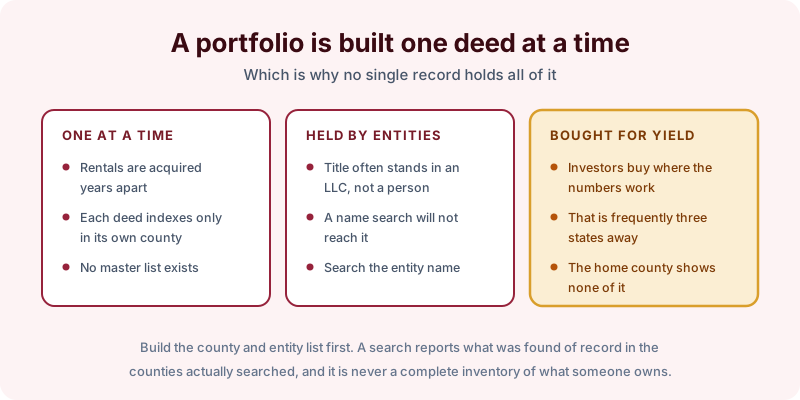
Land records are organized by county, and each deed is indexed only where the property sits. A search in the county where the couple lives finds the house they live in and nothing about the duplex two states away.
Entities compound it. Investors are routinely advised to hold each rental in its own limited liability company, so the recorded owner is a company name rather than a person, and a search run against a personal name will not reach it. Entity held property has to be searched against the entity, which means the entity names come first.
There is a practical order to this. Secretary of state filings are public in every state and usually free to look at, so the entity names, formation dates, and registered agents can be assembled before a single search is ordered. That list is what makes the records work targeted instead of speculative, and it often surfaces companies formed years apart that nobody thought to mention.
What the records establish, and what they do not
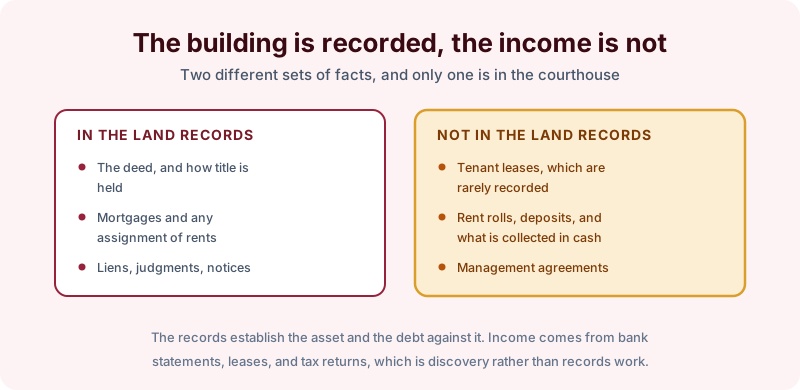
The land records are good at the asset and the debt secured by it. They show the deed and how title is held, the mortgages against the property, any assignment of rents a lender took, and the liens and judgments recorded against the owner. That last category matters here because investment property attracts liens the family home does not: contractor claims from a renovation, code enforcement filings, and utility liens in some jurisdictions.
What the records do not hold is the income. Tenant leases are rarely recorded, and rent rolls, security deposits, management agreements, and anything collected in cash sit entirely outside the courthouse. Those come from bank statements, tax returns, and the leases themselves, which is discovery rather than records work. A clean title report says nothing at all about what a building actually earns.
Dates are the argument
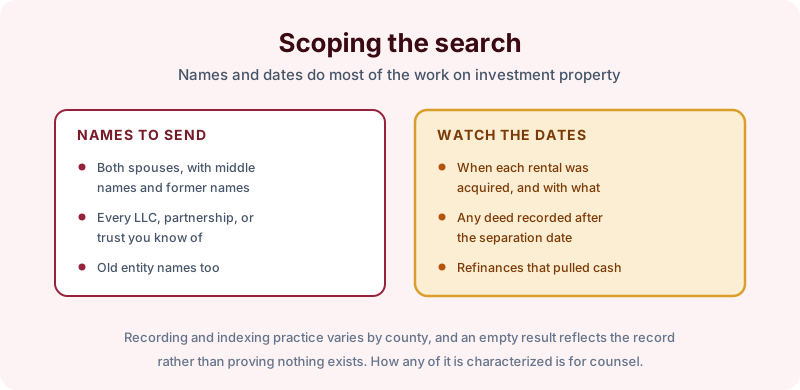
On investment property the recorded dates frequently decide more than the names do. When a rental was acquired, whether it was refinanced and how much came out, and whether any deed was recorded after the separation are all datable facts, and each one can change how the property is treated. Deeds recorded during a separation deserve particular attention, as does a quiet transfer of a rental into a new entity.
A refinance is worth a second look. The recorded mortgage gives you the lender, the date, and the amount, and a loan that grew substantially on a property whose value did not tells you cash came out of it and went somewhere. Where it went is a discovery question, but the records are what make it a question at all.
Send both spouses’ full names with variations, every entity and trust name you know of including ones no longer in use, and the counties you can identify. Then read the result for what it is: what was found of record in those counties, on that date, with copies of the instruments. Recording and indexing practice varies from county to county, a search is never a complete inventory of what someone owns, and an empty result does not prove nothing exists. How any of it is characterized is a legal question for counsel.
The takeaway
Treat the portfolio as two separate problems. The records side establishes which properties exist, who holds them, what is owed against them, and when each step happened, all with documents attached. The income side comes from financial discovery. Doing the records half early gives your side the county and entity list to ask better questions from. Start the order online, or send us the names and addresses and we will tell you what a search of that scope would and would not cover before anything is ordered.